The decision board
Four districts. One quarter of the pot each.
Every hour the pot splits into four equal quarters, one per district, whatever the size of each. Inside a district that quarter is divided across every floor standing there. So the question a holder answers is never which district is biggest. It is which one is emptiest.


Open a district to colour the whole page in it. The figure on each card comes from the model further down this page, on whatever assumptions its sliders are set to. It is a model of the rule, not a result, and it moves the moment you move a slider.
District one of four
NVDASilicon Row
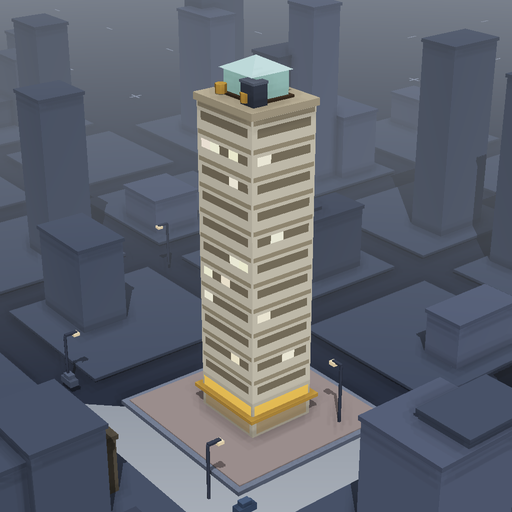
The thinnest fee of the four, five basis points. A quarter of every pot is routed here, WETH to USDG to NVDA, and the depth behind that fee is what keeps a large routed size from walking away from its own price. That depth is read from the pool contract while the page loads; it is never written down here.
- Towers
- reading
- Stock
- NVDA
- Floors
- reading
- Pool depth
- reading
- Pool fee
- reading
- Each district takes
- One quarter
- Stock contract
- reading
District two of four
AAPLOrchard Street
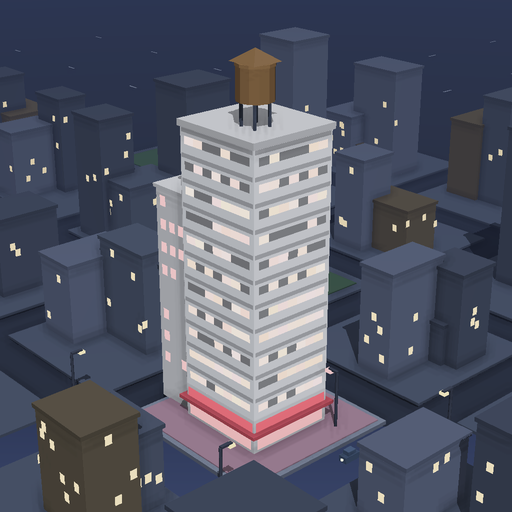
A thirty basis point fee in front of the AAPL pool. Its quarter is the same size as every other quarter, so what protects a heavy day is the price floor every buy reads from the pool's own thirty minute average. How much depth stands behind the fee is read below rather than stated here.
- Towers
- reading
- Stock
- AAPL
- Floors
- reading
- Pool depth
- reading
- Pool fee
- reading
- Each district takes
- One quarter
- Stock contract
- reading
District three of four
SPCXLaunch District
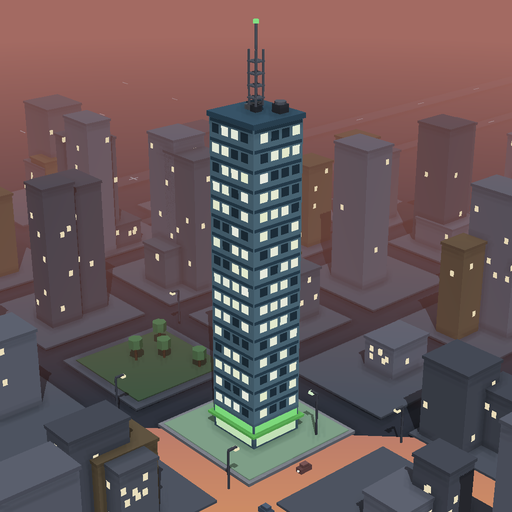
A thirty basis point fee in front of the SPCX pool, with its depth read live below. The rooftops here are pads, hangars and beacons, so the skyline reads as a working field rather than a street.
- Towers
- reading
- Stock
- SPCX
- Floors
- reading
- Pool depth
- reading
- Pool fee
- reading
- Each district takes
- One quarter
- Stock contract
- reading
District four of four
TSLAMotor Mile
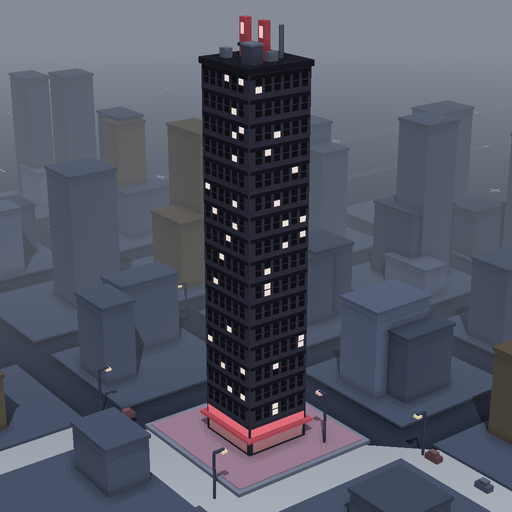
One plot fewer than the other three, which is simply how 5,555 divides by four. It still takes a full quarter of every pot, exactly like every other district on the board, whatever the depth of the pool behind it.
- Towers
- reading
- Stock
- TSLA
- Floors
- reading
- Pool depth
- reading
- Pool fee
- reading
- Each district takes
- One quarter
- Stock contract
- reading
Side by side
The whole board on one line
Plots are fixed at birth. Pool depth and pool fee belong to the venue each quarter is spent in, and the depth column is read from the four pool contracts every time this page loads. Nothing here is a result of a round.
| District | Stock | Towers | Pool depth | Pool fee | Stock contract |
|---|---|---|---|---|---|
 Silicon RowMasts, dishes and server halls |
NVDA | reading | reading | reading | reading |
 Orchard StreetGardens, glasshouses and hives |
AAPL | reading | reading | reading | reading |
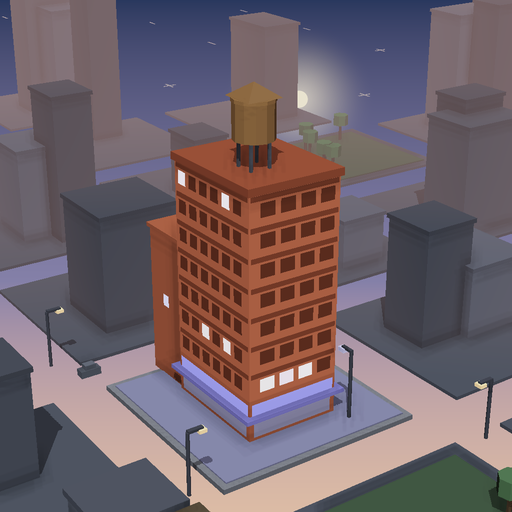 Launch DistrictPads, hangars and beacons |
SPCX | reading | reading | reading | reading |
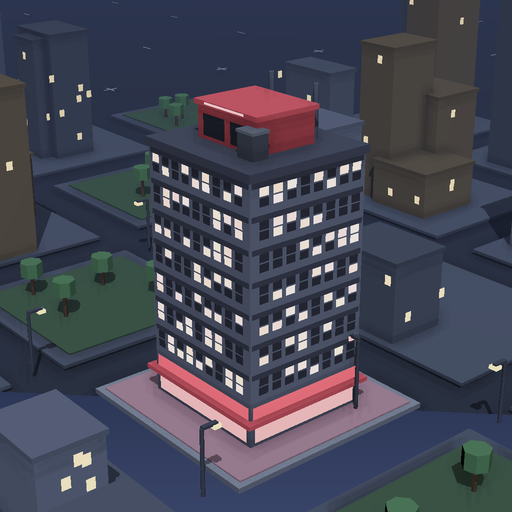 Motor MileChargers, garages and lit signs |
TSLA | reading | reading | reading | reading |
Every quarter is routed WETH to USDG to stock. USDG is reading, and the contract on each row is the one this page reads its balances from, so check an address rather than a ticker.
Reading the four pool contracts.

$TOWN fees go to the payroll. Every unit of the project's share goes to an ownerless payroll contract. Nobody can withdraw it. It waits there until somebody calls a round.
Asking the chain how many floors stand in each district.
A model, not a result
Set the pot. Set the crowd. Watch the rent move.
The pot splits into four equal quarters whatever the size of each district. Inside a district the quarter is divided across every floor standing there. Crowd a district and each floor takes less. Stand somewhere empty and each floor takes more.
Rezoning
Moving costs a burn and a week of standing still.

A building keeps its tier, its floors and its facade when it rezones. Only the district it stands in changes, and with it the quarter it draws from.
What rezoning actually does
It moves one building from one district to another. From the next round onward its floors count toward the new district's quarter instead of the old one. Nothing else about the building changes.
Why it costs a burn
Rezoning burns $TOWN. A free move would let every holder chase the emptiest district every hour and the four quarters would flatten into one. The burn puts a price on the decision, and the contract sets that price at a base plus a step for every unit of weight a building carries. The $TOWN a move costs is burned rather than collected, so it leaves the supply and nobody receives it.
Why the lock lasts seven days
After a rezone the building cannot move again for seven days. Without that lock the obvious play is to watch the pot, hop into the thinnest district minutes before a round, take the larger share per floor and hop back out. Seven days is far longer than the hourly cadence, so a move has to be a view held through a full week of rounds rather than a move timed against one.
What travels with the NFT
Built floors and unclaimed rent both travel with the token. Rent belongs to the building, not to the wallet, so claim before you sell or you hand the buyer everything the building has earned and not paid out.
How to read the model above
Move the four floor sliders to whatever you think the city will look like, not to the shape it happens to have while you are reading. A district only pays well while it stays thin, and the moment everybody agrees with you it stops being the answer. That is the whole game, and the seven day lock is what makes it a game of patience instead of reflexes.
Does a bigger district earn more in total
No. Every district takes exactly one quarter of the pot whatever its size, so a crowded district shares the same money between more floors. Size changes the rent per floor and nothing else.
Rezoning is a transaction sent to the payroll from the wallet that holds the building, and the inventory page is where a holder sends it. There is no button on this page that moves a building, by design. This page carries the rule itself, so it can be read before minting rather than after.